
Visitor guide
Heat, rain, a cold mountain top, temples and photo spots — what actually works for a few days in central Vietnam, from a dress shop in the city.
For Da Nang and Hoi An, pack light breathable dresses in linen or cotton, knee-length or midi, plus flat or block-heel shoes, because you will walk a lot on uneven stone streets. Add one light jacket or cardigan for Ba Na Hills: the resort sits at almost 1,500m and is clearly cooler and windier than the city, often in fog. Bring something that covers shoulders and knees for temples and pagodas. From September to December expect heavy rain in central Vietnam, so avoid floor-length hems and slippery leather soles.
Most of the year it is hot and humid. Linen and cotton are the most comfortable; taffeta and lined lace hold their shape but feel warmer in the midday sun.
Evenings along the Han River and at rooftop bars are relaxed but dressed-up — a simple knee-length dress with sandals fits in everywhere.
The old town is paved with stone and you will walk for hours, often into the evening when the lanterns come on. Skip stilettos and floor-sweeping hems.
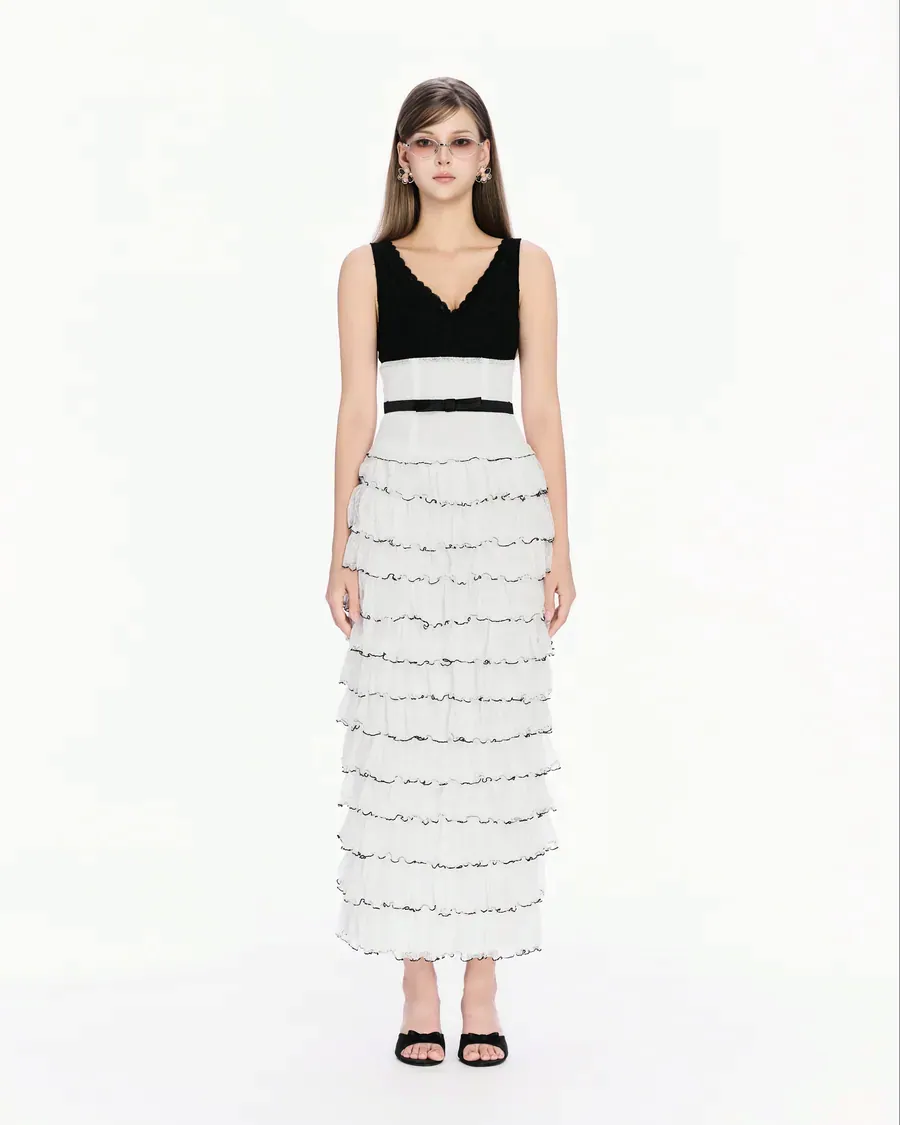
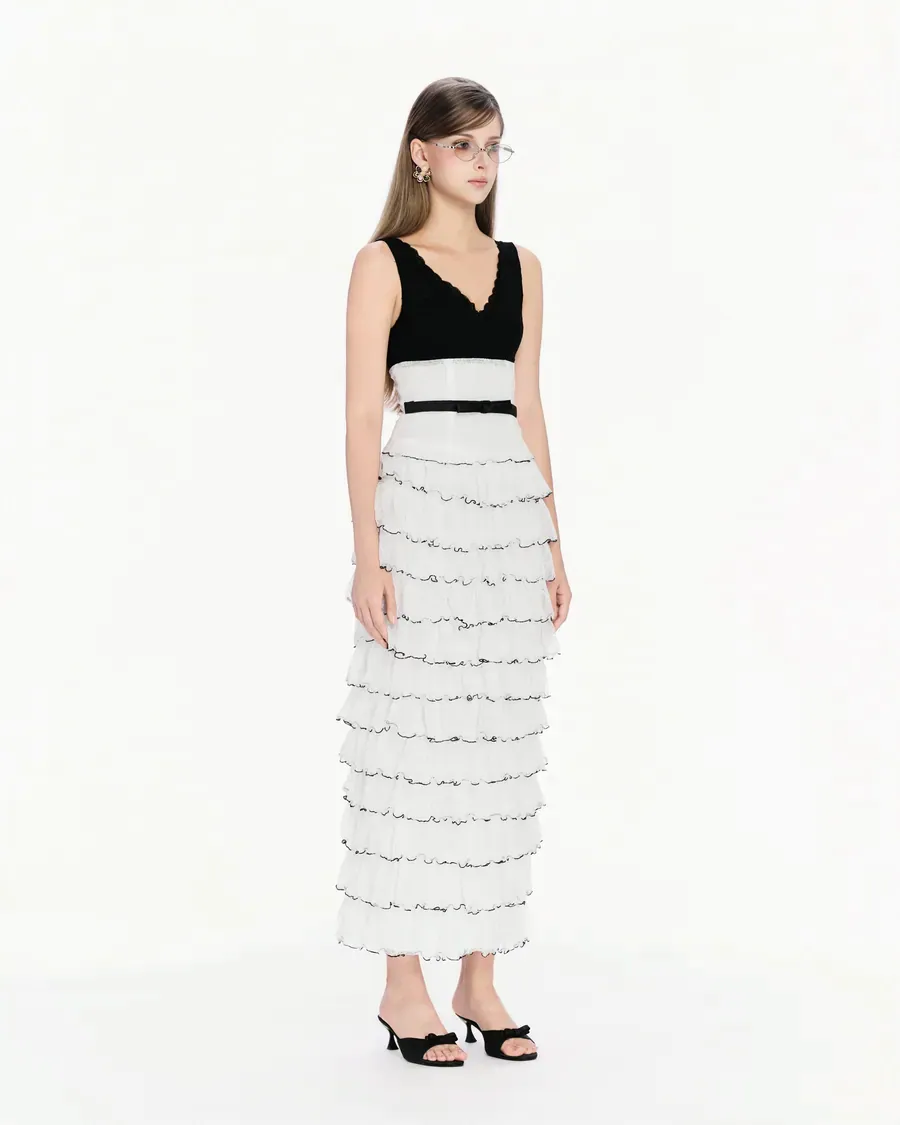
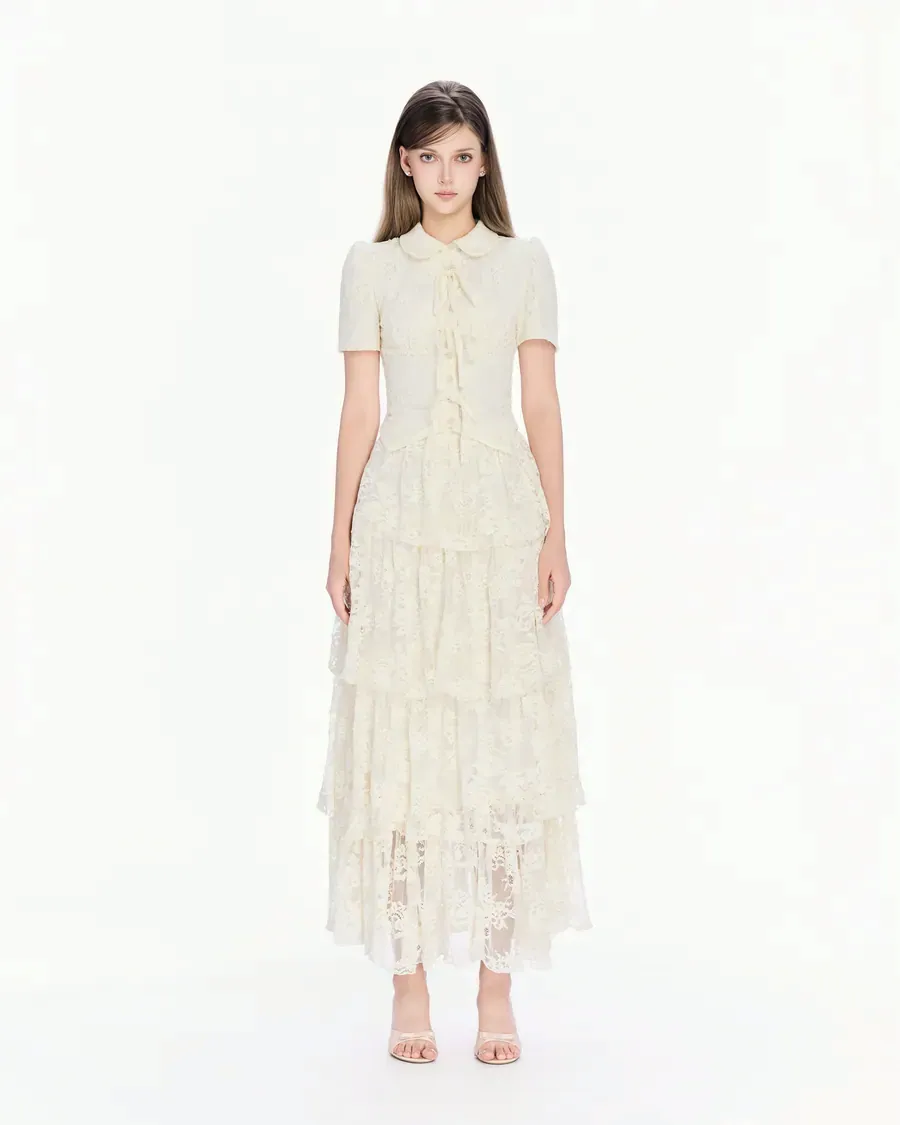
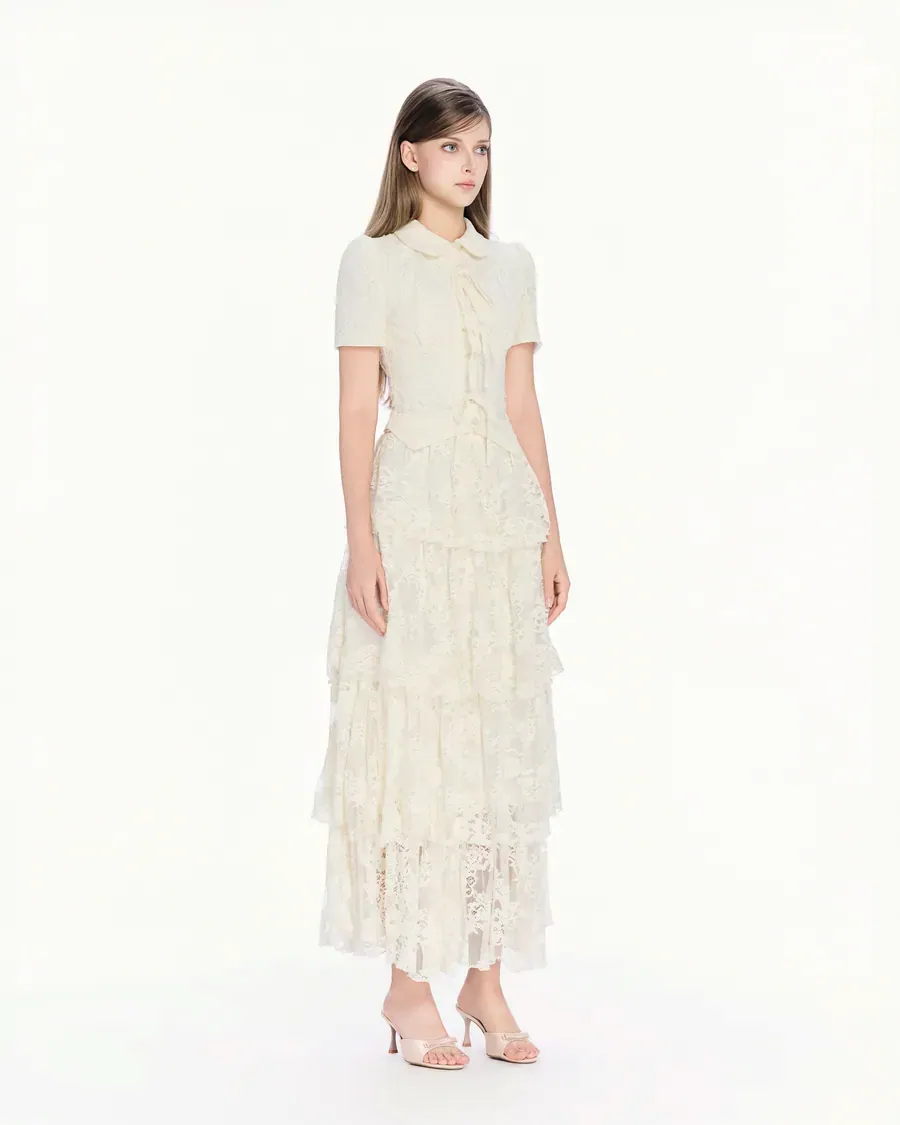
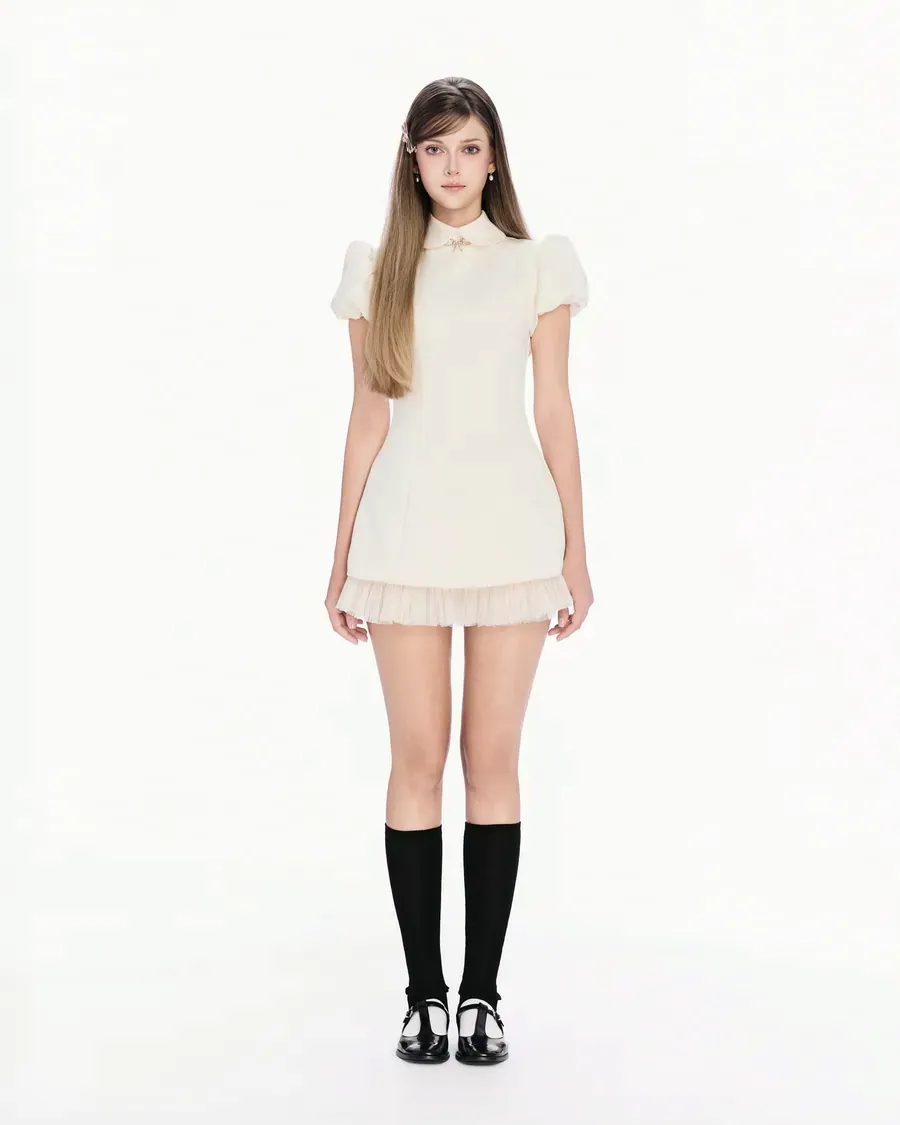
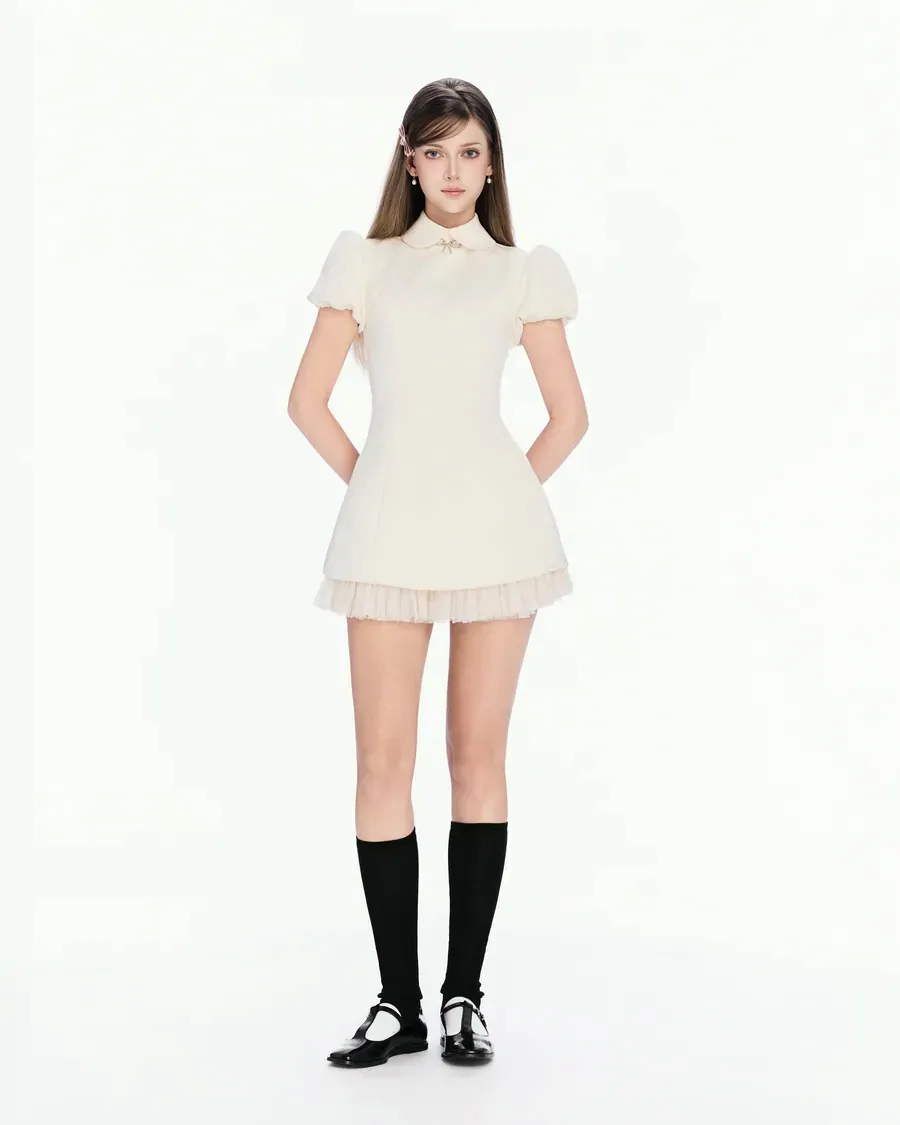
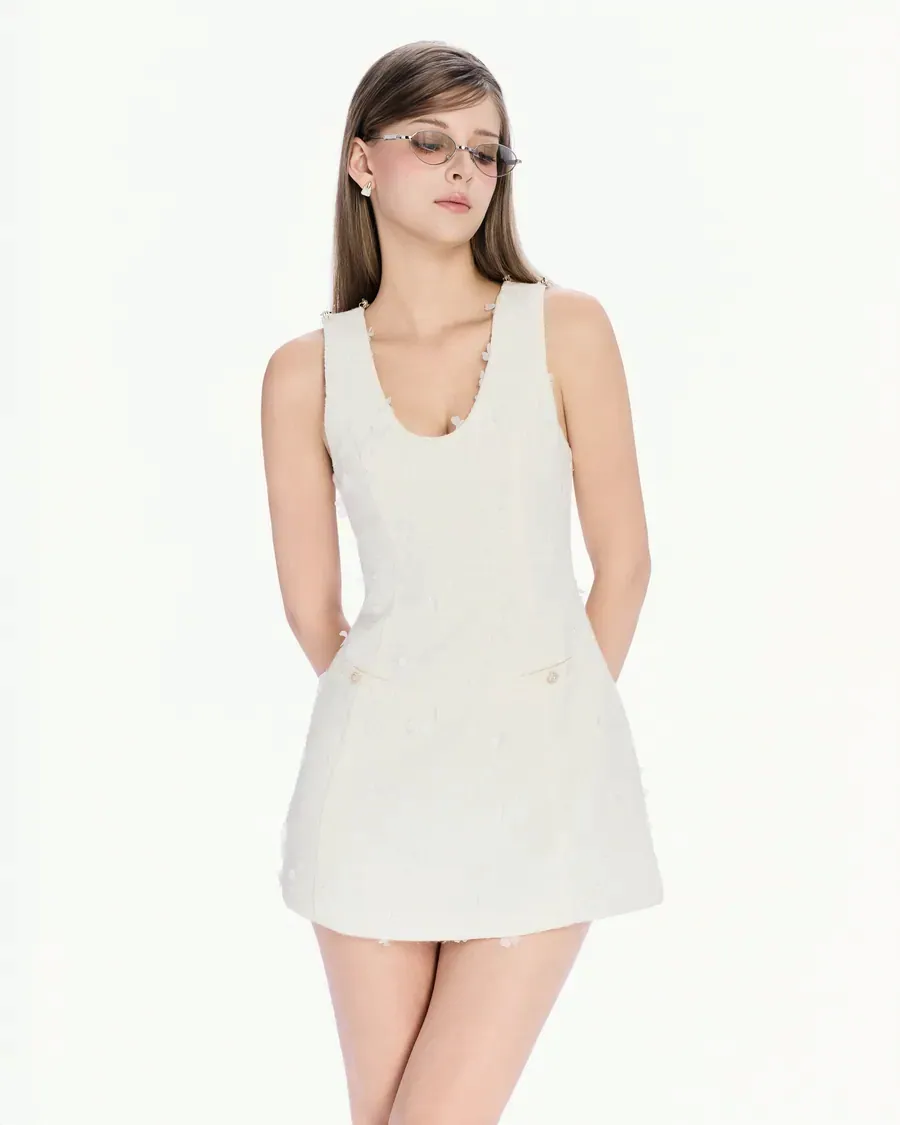
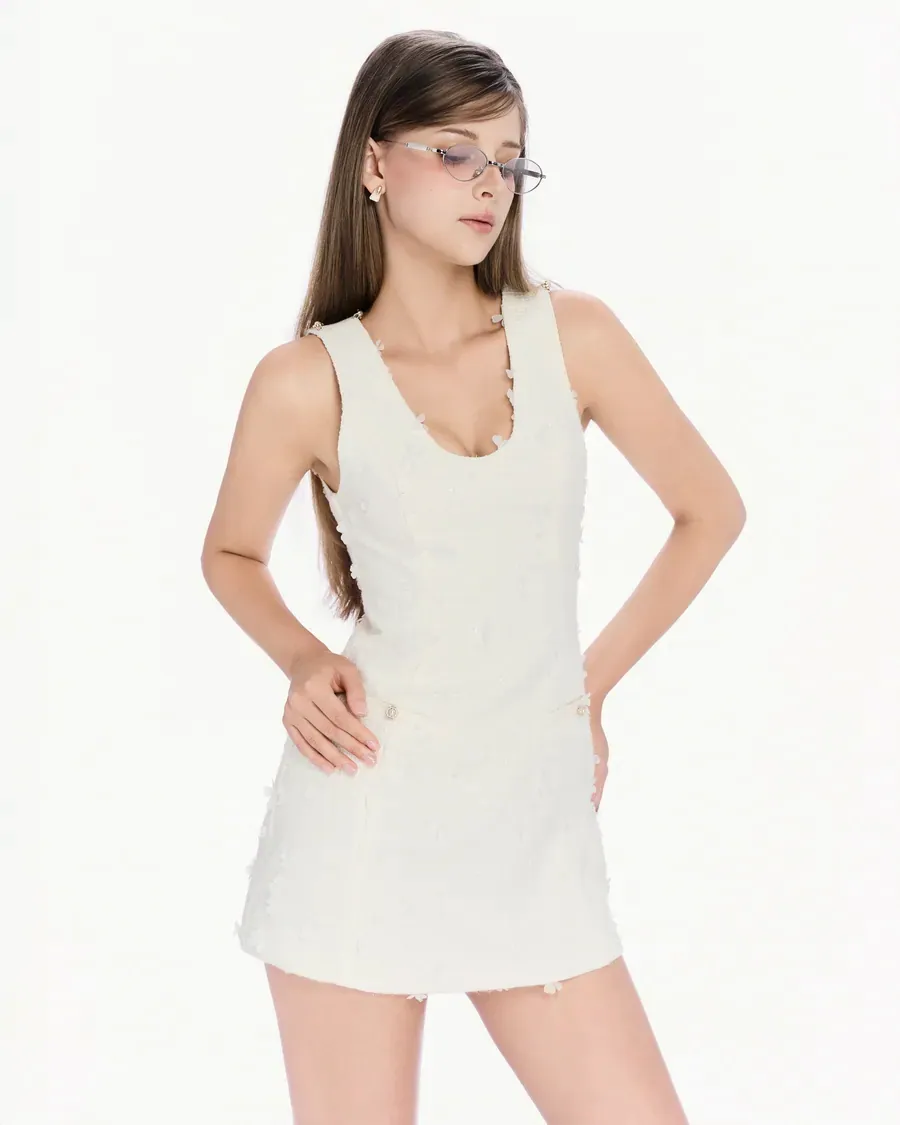
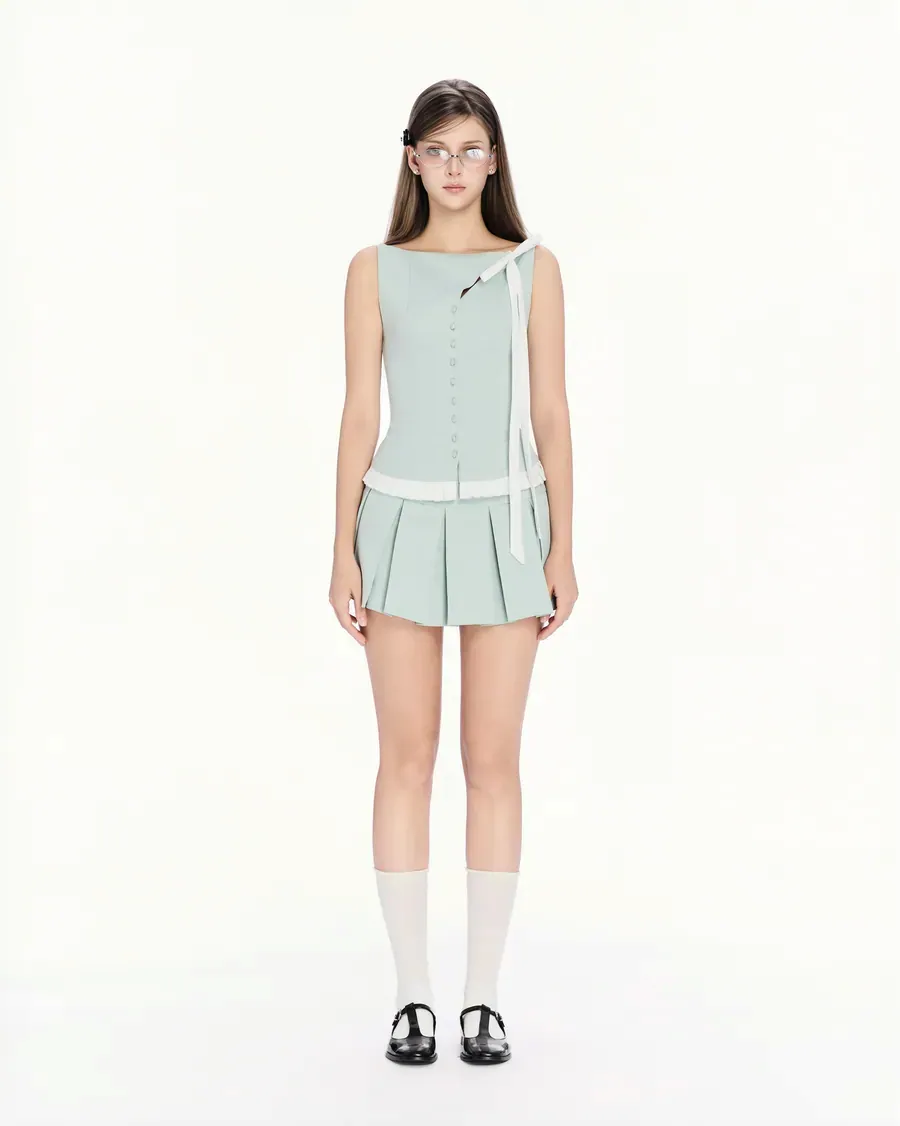
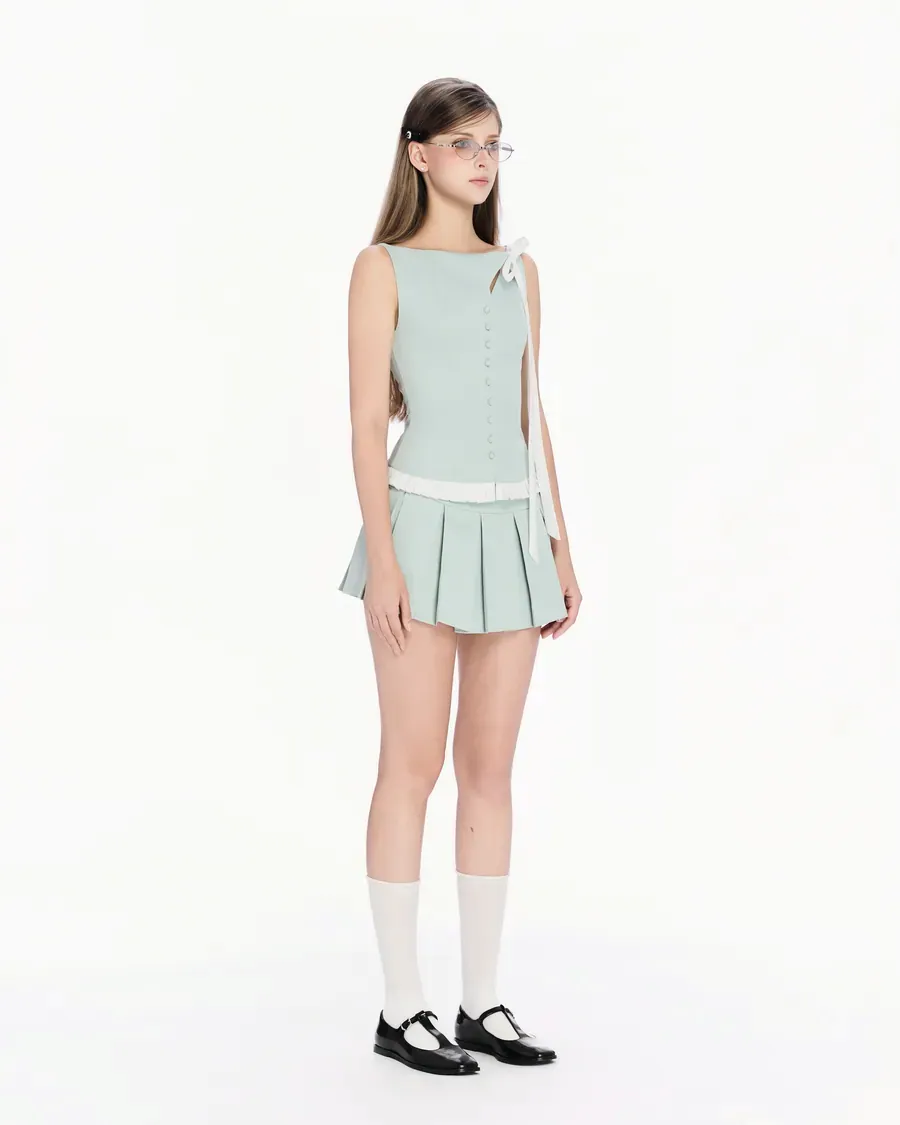
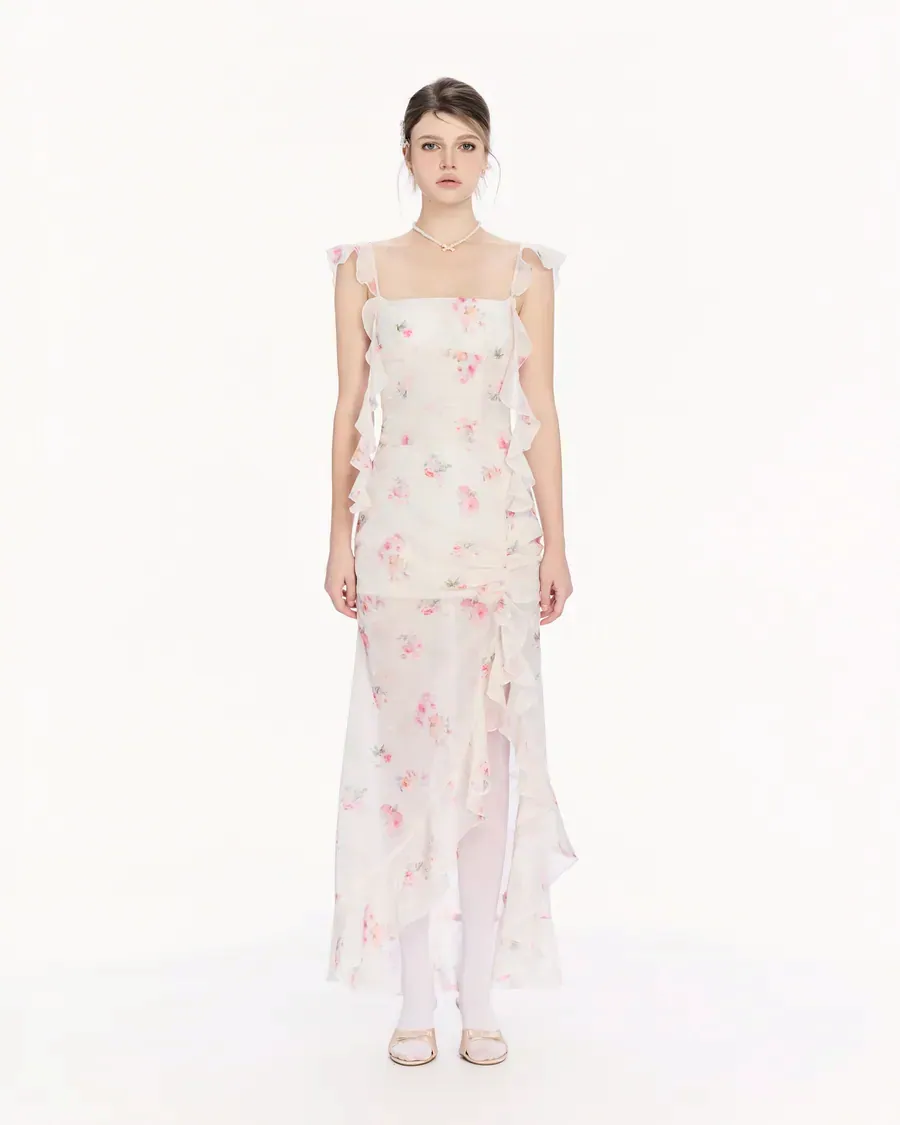
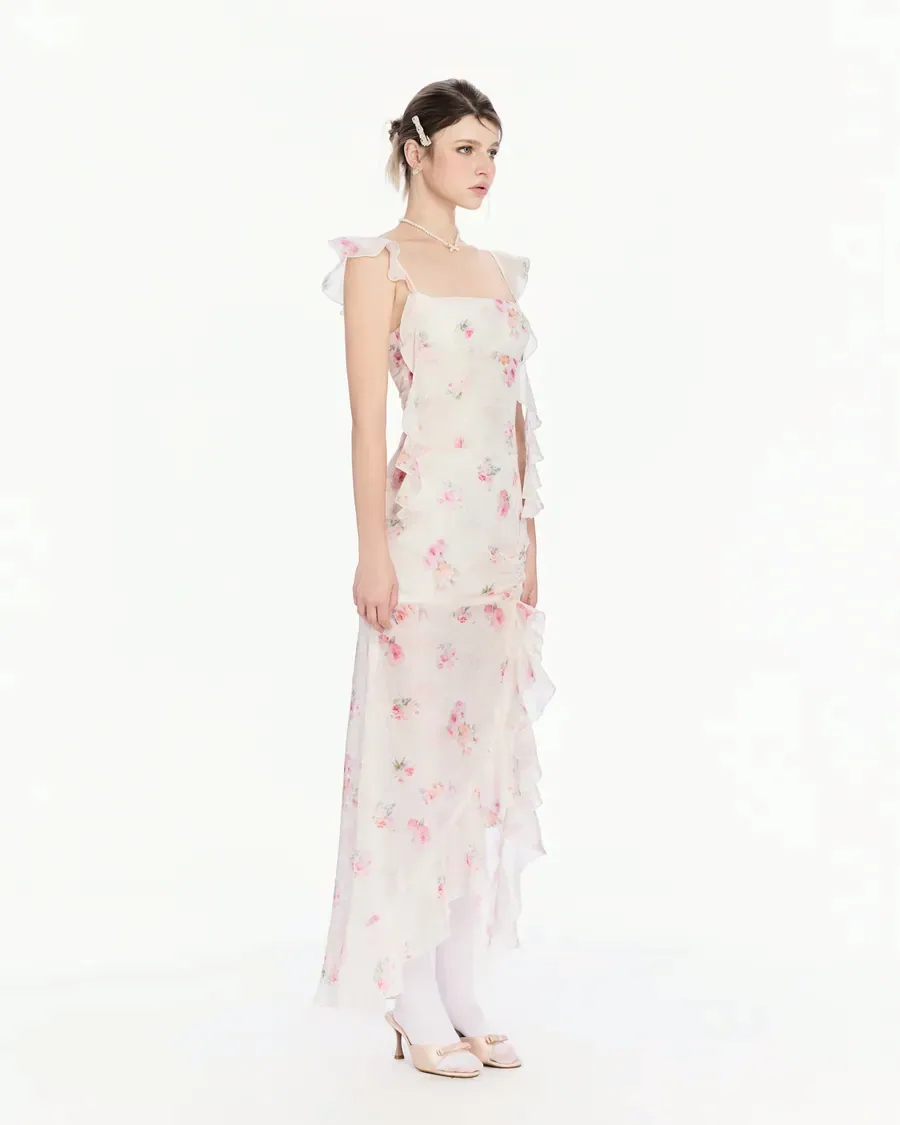
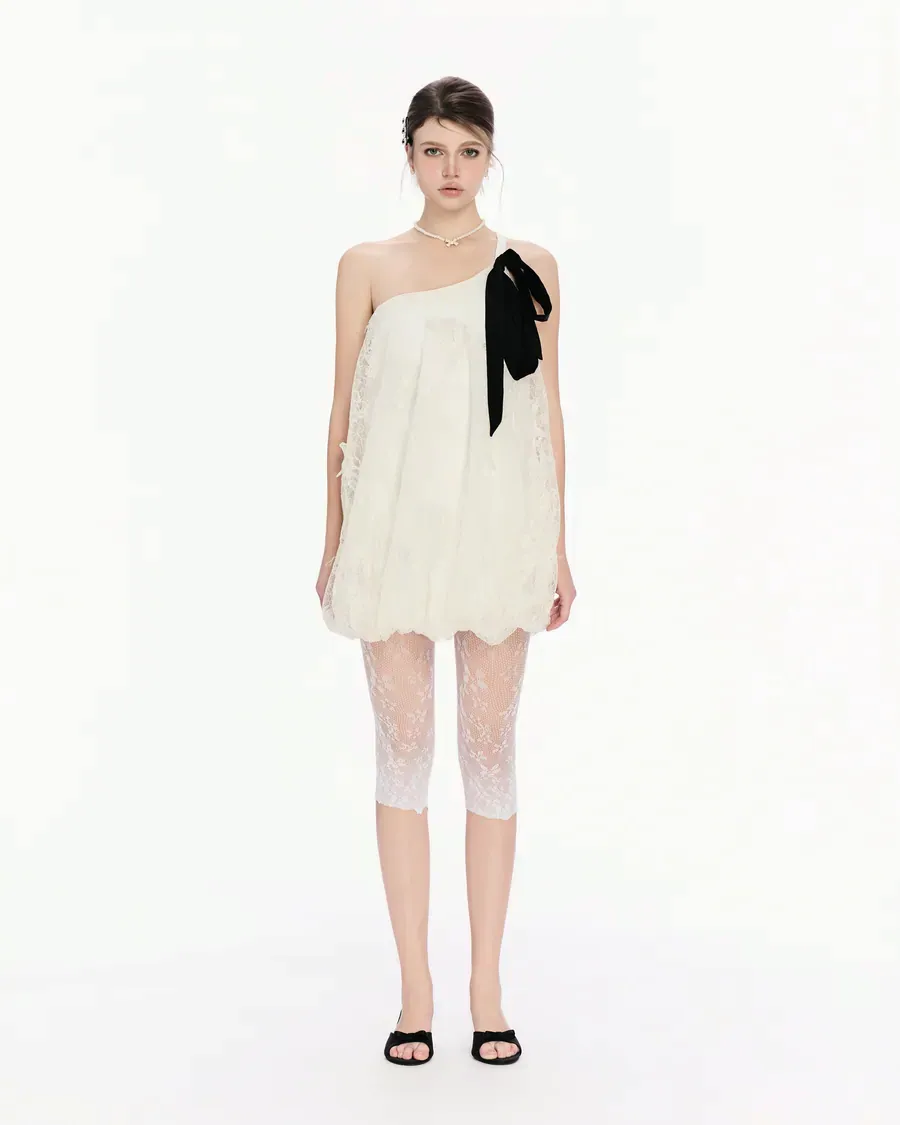
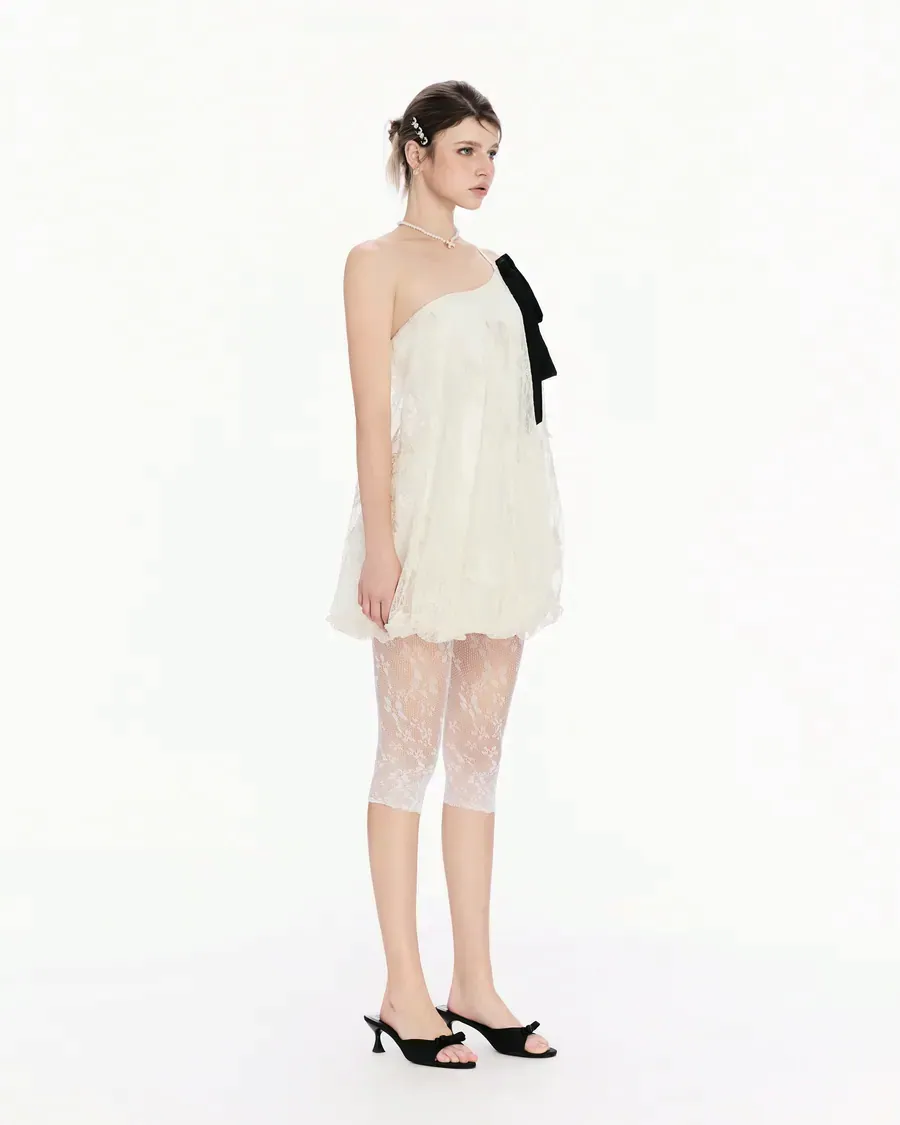
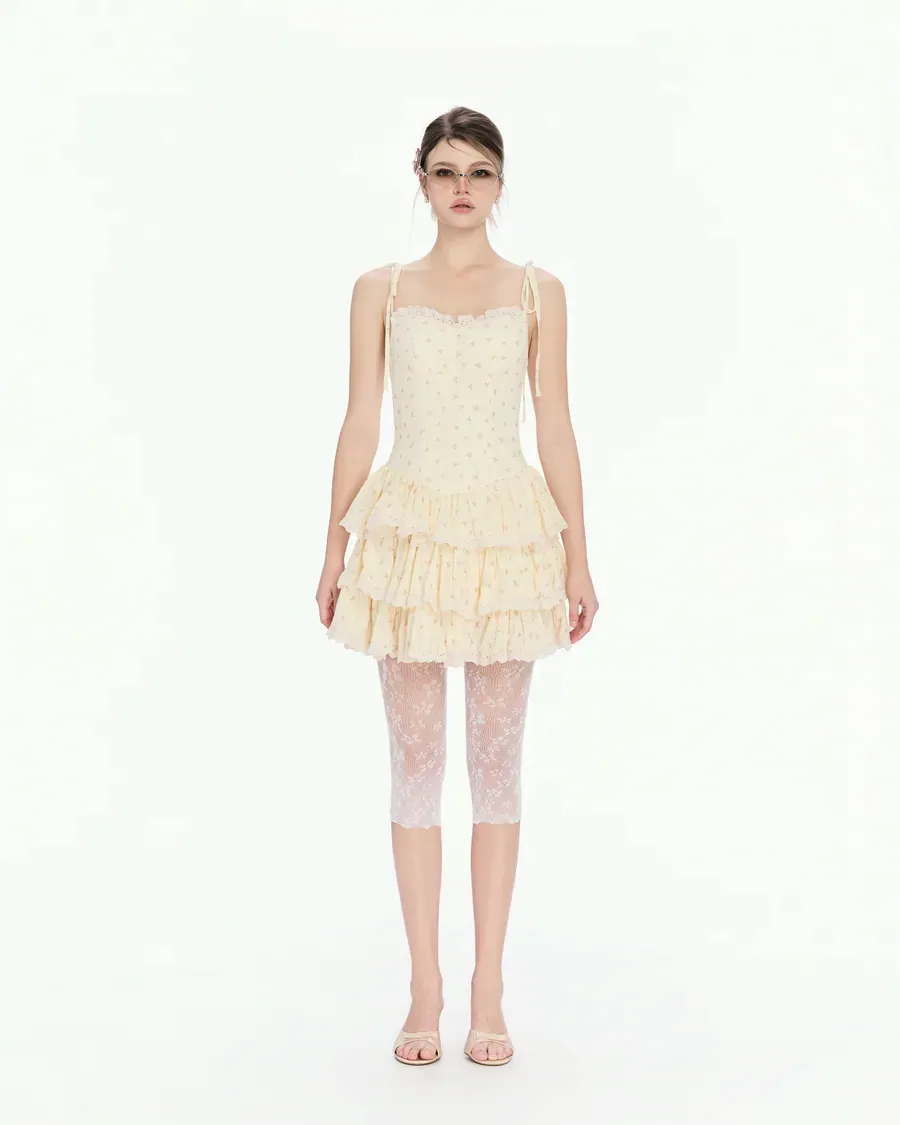
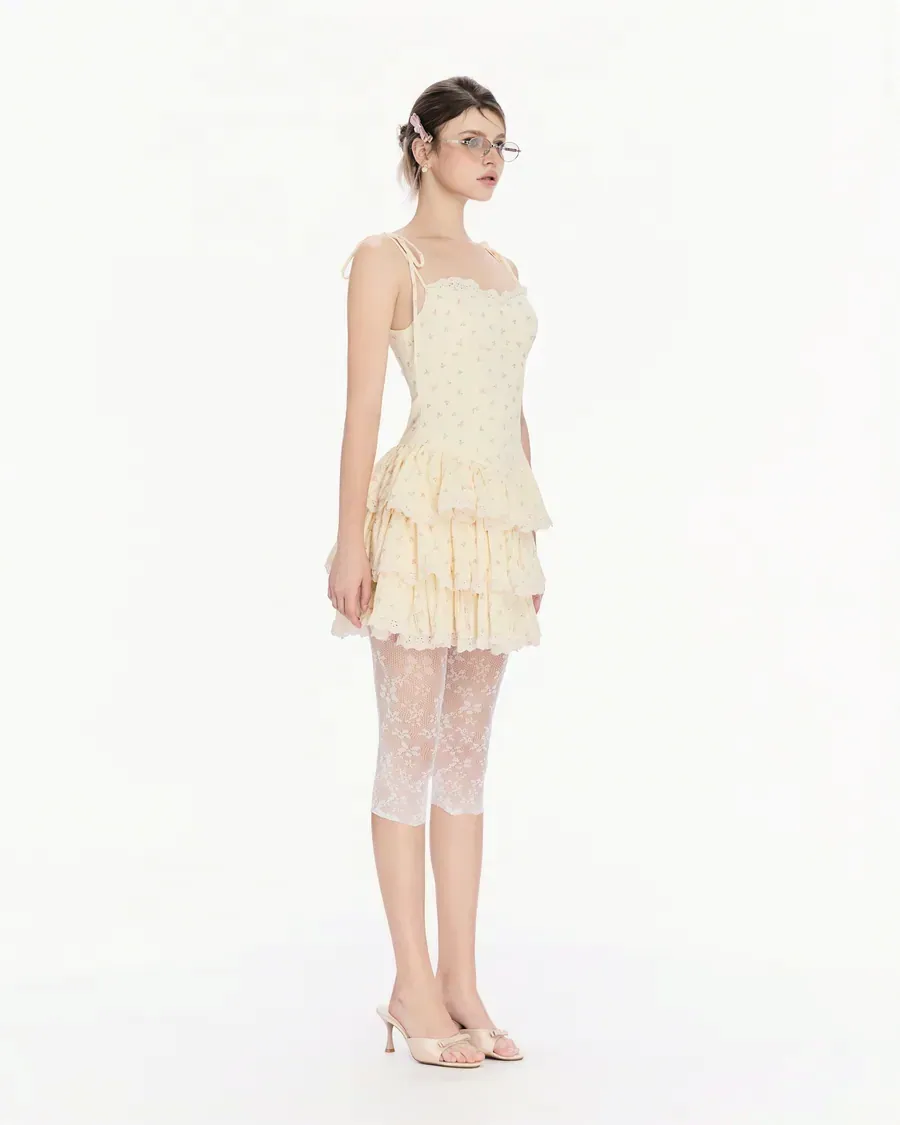
For photos, the yellow walls swallow pale yellow and beige. Cream, soft blue, pink and small florals stand out; so do strong colours at night under lanterns.
You leave a hot city, ride the cable car up, and step out somewhere noticeably cooler, windy and often misty. Many visitors arrive in a beach slip dress and spend the day with arms crossed.
Layer instead: a midi or knee-length dress with a light jacket you can take off for photos. Very short, full skirts and the wind on the bridge are not a good combination. In fog, strong colours — red, cobalt, black, white — photograph far better than pastels.
Covered shoulders and knees are expected at Linh Ung Pagoda on Son Tra, at Marble Mountains and at temples in Hoi An. A long dress, or a short one with a scarf and a cardigan, solves it.
Central Vietnam gets its heaviest rain in October and November. Choose fabrics that dry quickly and do not mark with water, hems above the knee or at the ankle, and shoes with grip — hotel lobbies in polished stone are very slippery when wet.
Buying on arrival is easy. The Julie at 246A Nui Thanh, about ten minutes from the airport, is open every day 8am to 10pm, with fixed prices, card payment and dresses you can try and take the same day. Message us the dress name and we will have your size ready in the fitting room.
Cooler than the city, yes. The resort is at almost 1,500m, so it is clearly cooler and windier than Da Nang and often foggy. From November to February it can be genuinely cold at the top. Bring a light jacket.
Light linen or cotton dresses at knee or midi length, flat or block-heel shoes for the stone streets, and cream, soft blue, pink or florals for photos against the yellow walls.
Yes. Shoulders and knees should be covered at pagodas such as Linh Ung on Son Tra and at Marble Mountains. A cardigan or scarf over a dress is enough.
Roughly September to December, with the heaviest rain in October and November.